
By Esther Melander, AG®
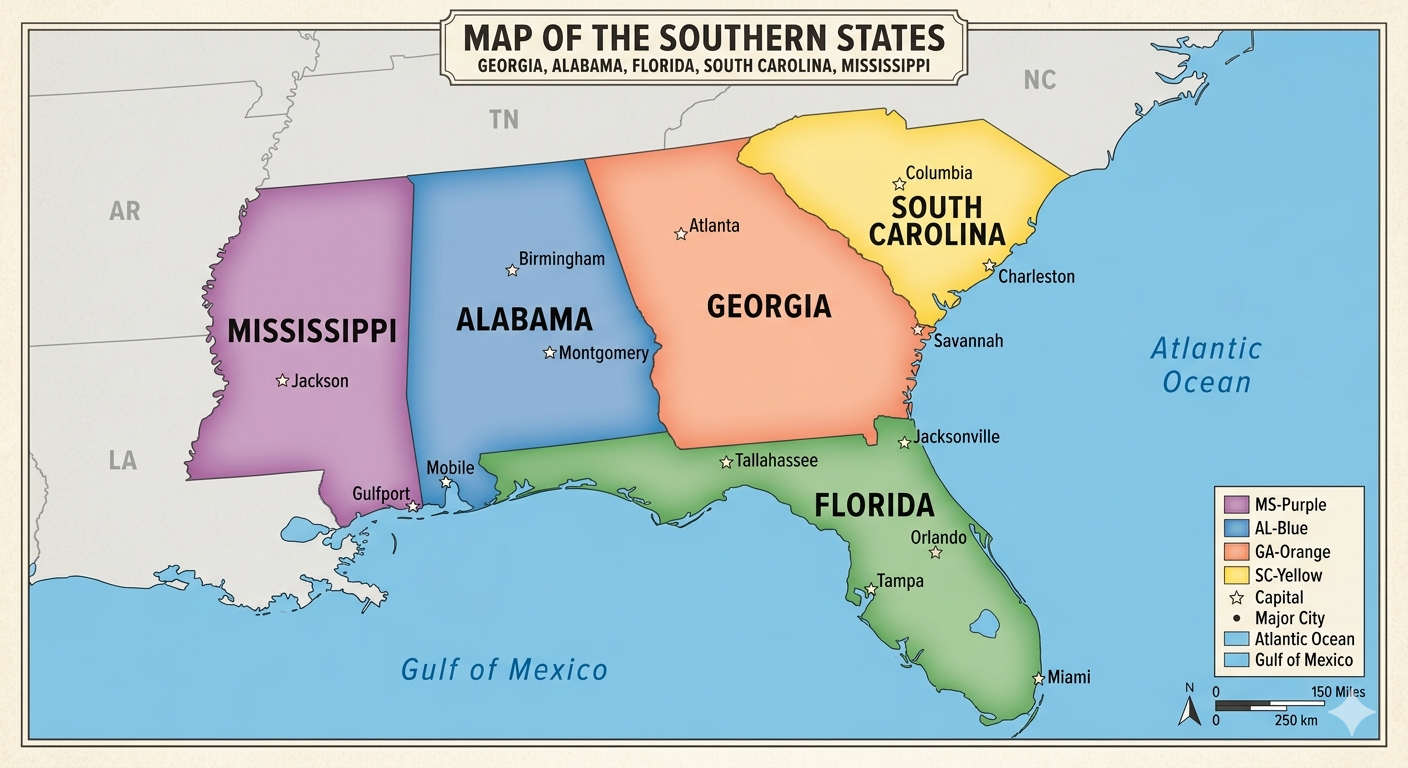
Accredited genealogists are awarded a credential by demonstrating research expertise in geographic regions. ICAPGenSM provides regional guides for all testing areas. These guides describe record types genealogists should know well when preparing to take a regional accreditation test. While some early historical records may be written in other languages due to shifting political control and diverse cultural representation—including Spanish, British, and French influences—there is no language requirement for the Southeast region because the vast majority of records are in English
The Southeastern United States is a complex and interesting region. The history of the area began in colonial America and expanded with the westward migration in search of land and opportunities. The U.S. Civil War, Reconstruction, and the Civil Rights Era all created important record collections for the region. Understanding these resources is key to preparing for accreditation through ICAPGenSM in this region.
Regional Resources
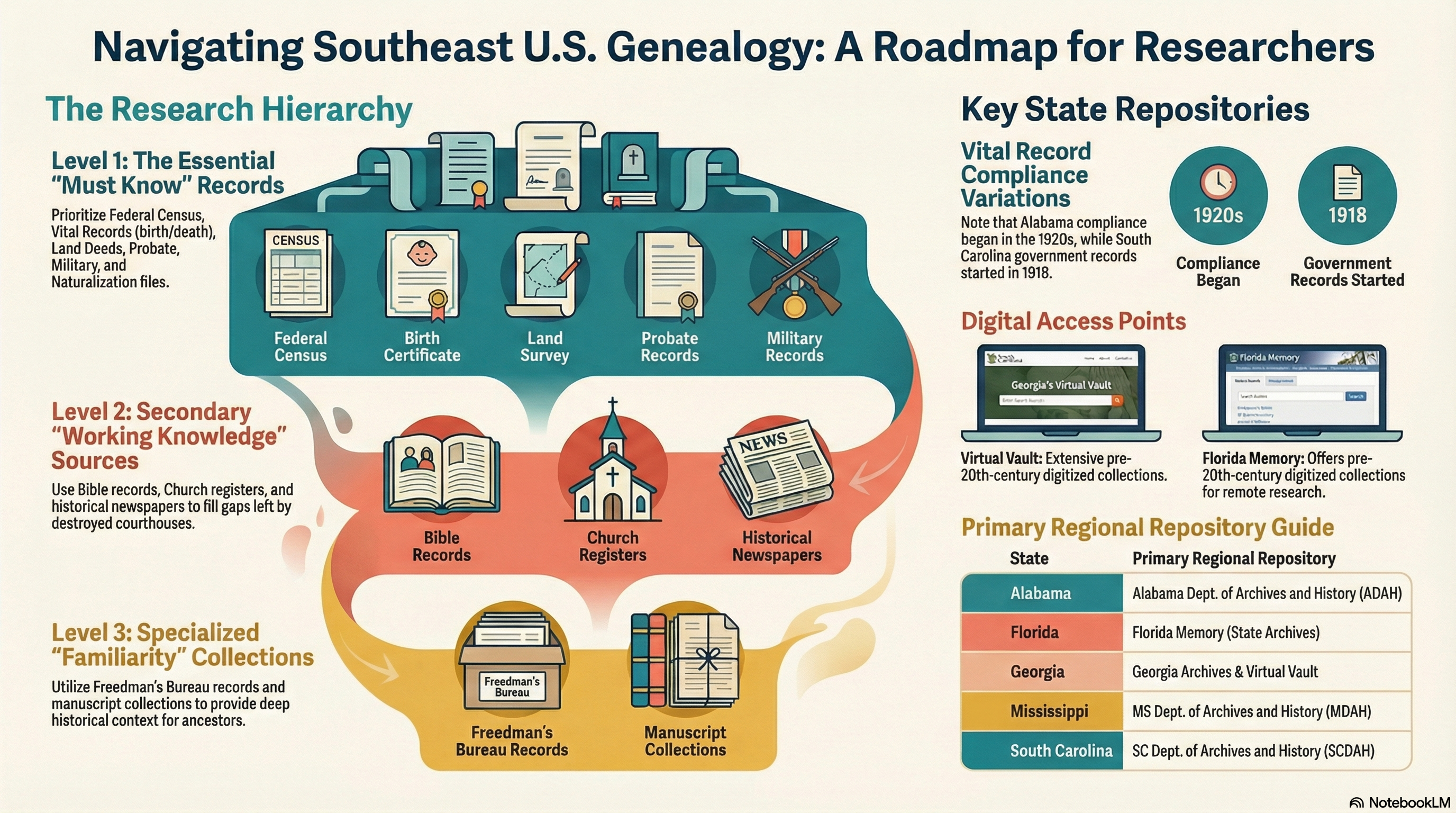
Resources, or record types, are divided into three categories for ICAPGenSM: Must Know Very Well, Good Working Knowledge, and Some Familiarity. According to the United States Southeast Regional Resources Guide, key resources include:
Must know very well:
These resources are usually checked for information before diving into more unique record collections because they provide vital data and familial links. They are common across the United States, but coverage can vary widely in the Southeast region due to considerable record loss in some counties. Researchers must know the coverage, accessibility, and data for each record type. For example, Alabama began recording births and deaths in 1908, but general compliance for births began in 1927 and deaths in 1925. Confederate Pension records can provide a birth date or marriage date that may not be recorded in other records.
Record types in this category include:
- Census Records – Federal, state, and specialized census schedules
- Vital Records – Births, marriages, deaths (availability varies by state and era)
- Land & Property Records – Deeds, plats, tax lists
- Probate Records – Wills, inventories, estate settlements
- Military Records – Service files, pension, and bounty land applications
- Naturalization Records – Declaration of Intention, Petition for Citizenship, Oath of Allegiance and final papers.
Good Working Knowledge:
After the more common resources have been checked, researchers will begin to check records that may fill in the gap when others are missing. The coverage and accessibility can vary more than the previously mentioned record types because they were significantly impacted by historical events. For example, the Civil War and Reconstruction era interrupted the creation of some record types such as newspapers. In many localities, newspapers stopped publication during the Civil War due to paper shortages. In another example, some localities did not record marriages as courthouses essentially ceased normal operations during the war, or were burned. A researcher should have a good working knowledge of the kind of information that can be found in these records, as well as their availability.
Record types in this category include:
- Bible Records
- Biographies
- City Directories
- Court Records – civil, criminal, guardianship
- Church Records – baptisms, marriages, burials
- Emigration, Immigration, and Migration Histories – local, county, family, and state
- Maps, Gazetteers, and Historical Geography
- Newspapers
- Obituaries
- Tax Records
Some Familiarity:
The researcher should have some familiarity with resources that are more difficult to obtain or may not contain rich vital data. Despite these challenges, they can still answer important genealogical questions and provide historical context. One important collection in the Southeast region is from the Freedman’s Bureau. These records are a rich resource of the formerly enslaved, though the records can be daunting due to their depth and variety. Local published histories and manuscripts may provide additional historical insight of the events and locations of an ancestor.
Record types in this category include:
- Adoption Records
- Ethnic and Minority Records
- Manuscript Collections
- Voting Records
Research Strategies
To be successful in this region, it is important to know when vital registrations began in each state. Church, probate, census, and tax records will be important resources for finding vital data where official vital records are lacking. Not all record collections are digitized, so a network of local researchers will be important in finding that elusive record.
The mix of early colonial beginnings and later historical events in the Southeast United States creates a challenging but rewarding area for research. Descendants earlier people in this region are particularly keen on learning about their origins, and genealogists who thoroughly understand the history and available resources of the region are ready to help.
State Regional Repositories & Archives
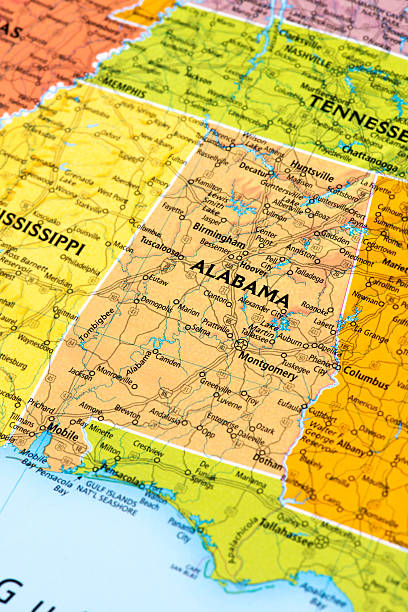
Alabama
Finding and accessing records in Alabama can be a challenge due to record loss in many counties. Some county records are not available online and may require visiting archives in person. Despite the challenges, many Alabama counties have active historical and genealogical societies with unique collections that can help researchers find that elusive ancestor.
Key archival resources include:
- Alabama Department of Archives and History (ADAH) – The premier repository for state records, vital registrations (post-1881, with exceptions), land grants, military service records, and early newspapers. The archive has some digitized collections available for viewing on their website, including a digitized collection of Civil War and Reconstruction era newspapers.
- County Courthouses – Deed books, probate files, court minutes, tax lists, and more are held at the local level and often require onsite visits or written requests. Many county records have been microfilmed or digitized but many are not available to view online at the time of this writing.
- Historical & Genealogical Societies – Groups like the Alabama Genealogical Society maintain indexes, newsletters, and research guides that help interpret local records. Many counties have at least one historical or genealogical society with record collections unique to the county.
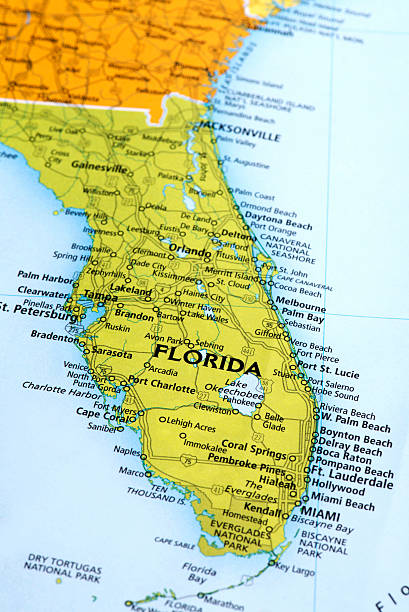
Florida
Florida presents a unique blend of Spanish colonial, British, French, and U.S. territorial records, with access points that range from state archives to local repositories.
- Florida Memory State Archives – Extensive collections of pre-20th-century documents, including military rosters, Spanish land grants, and early court records.
County Record Centers & Libraries – These contain deed books, marriage licenses, tax records, and local newspapers.
Georgia
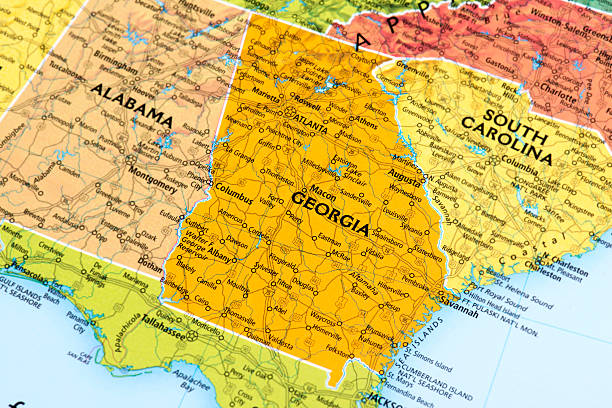
The Georgia State Archives has been diligently digitizing and making record collections available online. They host a regular seminar highlighting record collections by local experts that can be viewed on the Georgia Archives YouTube channel.
- Georgia Archives & Virtual Vault – A valuable online portal to digitized state records, including wills, military rosters, colonial estate records, and land lotteries. They also have county maps that were created between 1866 and 1935 that can be useful for locating property and other important geographical locations.
- Digital Library of Georgia – Offers searchable collections from libraries, archives, and historical societies statewide. Their fantastic collection entitled “Georgia Historic Newspapers” is keyword searchable.
- County Courthouses – County boundaries frequently changed in early Georgia, so it is important to know the county history to search in the correct courthouse.
- Local Societies – check societies for transcribed records, cemetery inventories, and specialized research help.
Mississippi
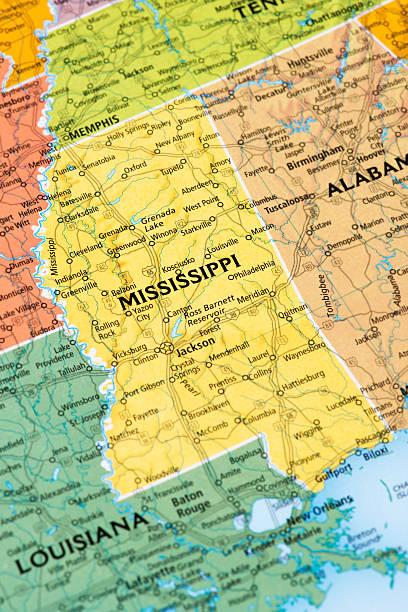
Mississippi has interesting record collections housed at the Mississippi Department of Archives and History. One valuable collection is the Mississippi Enumeration of Educable Children from 1850 to 1957, which can be used to connect children to their parents.
- Mississippi Department of Archives and History (MDAH) – A central hub for genealogists, offering land records, probate files, indexes of vital statistics, and manuscript collections.
- Chancery and Probate Courts – Vital for wills, estates, property transactions, and family settlement details down to the county level.
- Genealogy Societies – The Mississippi Genealogy Society and local chapters provide county surveys, cemetery listings, and newsletters.
South Carolina
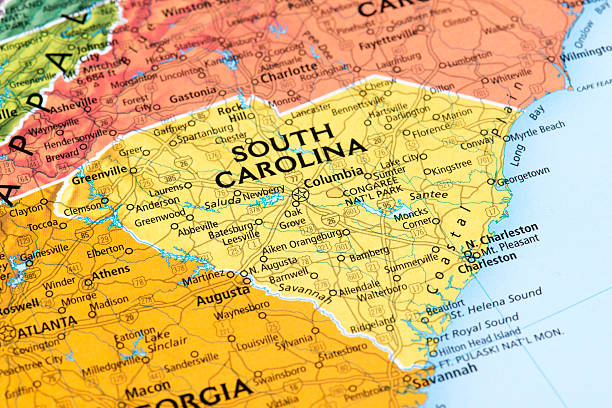
South Carolina has record collections from its time as a colony, including early land records, such as Royal Land Grants. Official government vital records did not begin until about 1918. Before this date, birth, marriage, and death information can be found in church records, family bibles, or newspapers.
- South Carolina Department of Archives and History – Houses colonial era documents, Revolutionary War records, early census substitutes, and extensive probate collections.
- Local Libraries & Historical Societies – Offer newspaper archives, city directories, church registers, and cemetery listings.
- Church repositories – Regional repositories, such as the Crumley Archives, have preserved Lutheran Church records for much of the Southeast United States. There are additional records found in the South Carolina Baptist Historical Collection, Methodist records at the Sandor Teszler Library, and Catholic records at the Diocese of Charleston Archives.
To pursue ICAPGenSM accreditation in the Southeastern United States, a genealogist must develop a solid understanding of the region’s historical context — particularly how major events such as the Civil War disrupted or reshaped recordkeeping practices.
Begin with mastering key sources, including census records, vital records (births, marriages, deaths), land transactions, and military documents.
Next, look for more difficult records — such as newspapers, church registers, and manuscript collections. These may provide critical details when standard records are incomplete or unavailable.
While the Southeast presents unique challenges due to inconsistent record survival and regional variation, it also offers rich opportunities for meaningful discoveries, making it a rewarding area of focus for dedicated genealogists.
 ICAPGen℠