ICAPGen™ Professional Spotlight
Edited by Carole Seegmiller, AG®
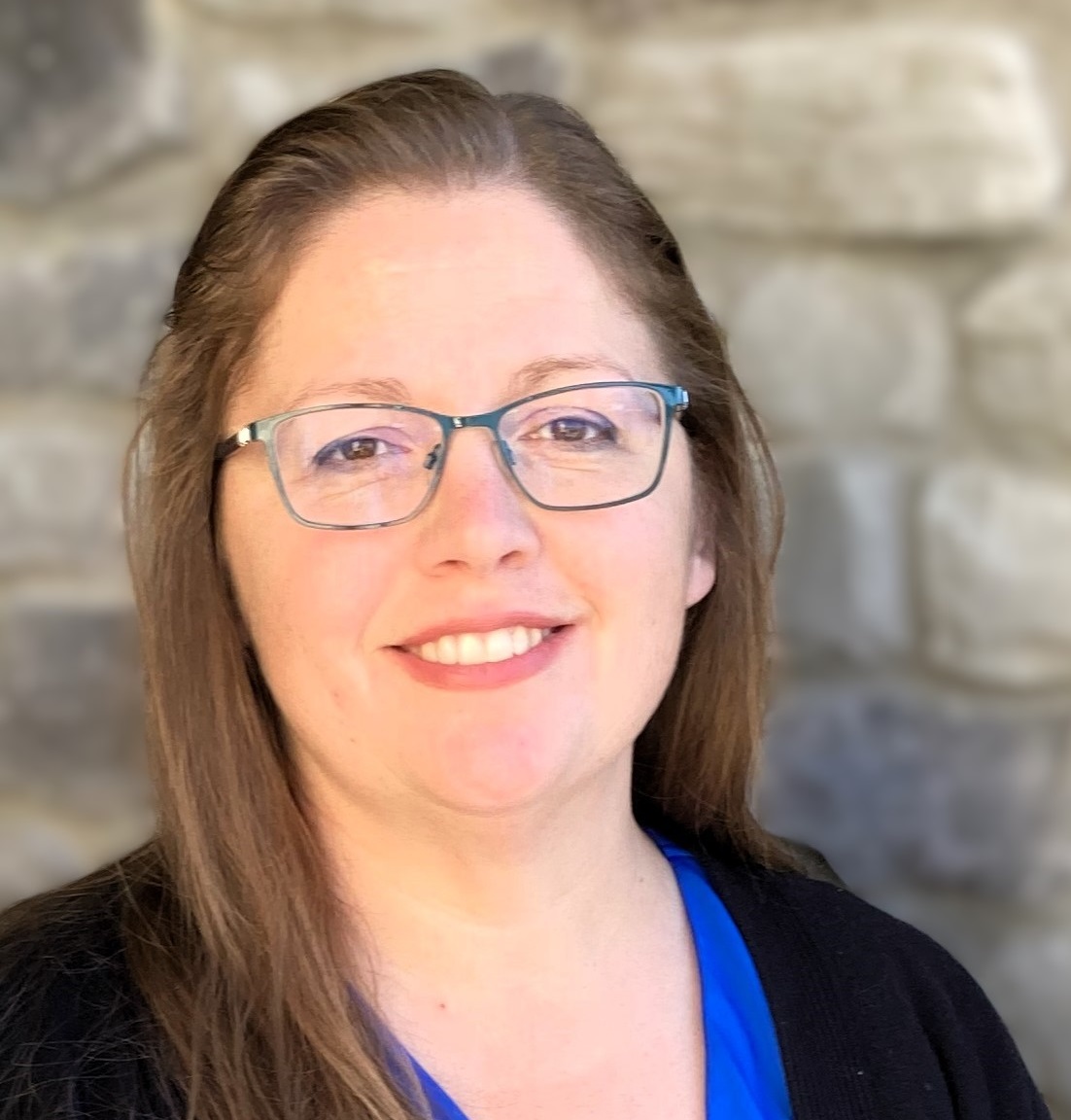
We are pleased to introduce you to Marissa Gardner, AG®, who recently renewed her accreditation in the Germany region.
Please share why you believe in ICAPGen and our mission
I appreciate ICAPGen and its mission because it sets a meaningful, demanding standard for what it means to be a professional genealogist. When I earned my German accreditation 15 years ago, I valued—then and now—that ICAPGen requires more than familiarity with records. It requires a genuinely rigorous knowledge base, the ability to reason through complex evidence, conduct thorough research, and present findings clearly and responsibly.
That level of expectation is what gives the credential its strength. It allows me to establish my expertise quickly and confidently—whether I’m working with clients, collaborating with other professionals, or testifying in court. ICAPGen’s structure and vision ensure that accredited genealogists are not only skilled researchers but also capable analysts and communicators. I appreciate their commitment to elevating the profession and maintaining a high, consistent standard of excellence.
How has ICAPGen been a good fit for you?
ICAPGen has been a really good fit for me because its values match the way I naturally approach research. I’ve always gravitated toward careful reasoning, understanding historical context, and building a clear argument from evidence, and the ICAPGen process rewards exactly those skills. When I pursued my German accreditation 15 years ago, I appreciated that they weren’t just testing whether I could find records—they were testing whether I could think critically, solve problems, work across languages and jurisdictions, and communicate findings in a way that is defensible and professional.
It’s also been a good fit for me in terms of credibility and practical usefulness. The credential gives me a solid, widely recognized foundation when I’m working in specialized areas like German and Eastern European research or when I’m collaborating with attorneys and offering expert testimony. ICAPGen’s standards make it easy to demonstrate my expertise without having to over-explain myself or my background.
What I value most is that ICAPGen supports the kind of genealogy I believe in: disciplined, ethical, well-reasoned, and grounded in real methodology. It has helped shape me into a more confident, more capable researcher—and it continues to align with the way I think about excellence in this field.
Are there personal details you’d like to share about yourself?
When I’m not researching, you’ll usually find me baking family favorite recipes, reading history, hiking in the mountains, or playing strategy card games with my kids. I love languages, exploring European cultural history, and learning anything that helps me understand the past more deeply. Genealogy is my work, but it’s also one of my favorite hobbies.
Please share your past history in genealogy
I have more than twenty years of experience in genealogy, beginning with a Bachelor of Arts in Family History and Genealogy from Brigham Young University (2005) and earning my Accredited Genealogist® credential in German research through ICAPGen in 2011. I have worked professionally since 2006 in both traditional and forensic genealogy, with experience at organizations such as Ancestry.com, ProGenealogists, the Sorenson Molecular Genealogy Foundation, Venio, and Legacy Tree Genealogists. Since 2009, I have operated Treasured Ancestors, a niche genealogy firm focused on complex U.S. and European research, where I work with a small network of trusted collaborators. My work includes solving difficult genealogical problems, identifying heirs for probate and estate cases, supporting dual‑citizenship applications, and producing research that meets legal standards, including court testimony. I also teach, publish, and present on European and forensic genealogy topics and remain active in professional service and continuing education.
What motivated you to pursue accreditation?
I initially pursued accreditation early in my career as I was finding my professional footing and seeking legitimacy in the field. With time, perspective, and faith, my understanding of the work has deepened, and I now approach genealogy as a form of meaningful service rather than personal achievement.
What are some challenging or unique aspects of researching in your area of accreditation?
Research in my German accreditation area is uniquely challenging due to frequent historical boundary changes, decentralized record‑keeping, and records created in multiple languages and scripts over long time periods. Successful research requires careful historical context, precise locality identification, and the ability to interpret records shaped by shifting political, religious, and legal frameworks.
What advice do you have for those pursuing accreditation?
Seek accreditation when you’re ready to be evaluated on how you think, reason, and report—not just on what records you can find. Approach the process with humility, strong methodology, and a willingness to learn, and let the work—not the credential—be the focus.
What research projects are you involved with now or have planned for the future?
In addition to my speaking, training, and research assignments at FamilySearch, I’m currently involved in a variety of client‑focused research projects involving complex U.S. and European genealogy, including probate and historical cases. Looking ahead, I plan to continue expanding my work in international and forensic genealogy while developing additional teaching and writing projects.
What are some of your goals as a genealogist?
My goals are to help others come to love their ancestors and to make the research process easier for them. I also want to be an example to my children of integrity, perseverance, and using one’s skills in service of something greater than oneself.
Do you have a website you would like to share?
https://www.treasuredancestors.com
ICAPGen Testing Region Note: When Marissa was first accredited in the Germany region in 2011, this included the entire country of Germany. Since then, German accreditation has been subdivided into three regions: Germany, East; Germany, Northwest; and Germany, South. Marissa’s excellent preparation and successful testing means that her accreditation region remains all of Germany.
Discover more from ICAPGen℠
Subscribe to get the latest posts sent to your email.

